
 By
By 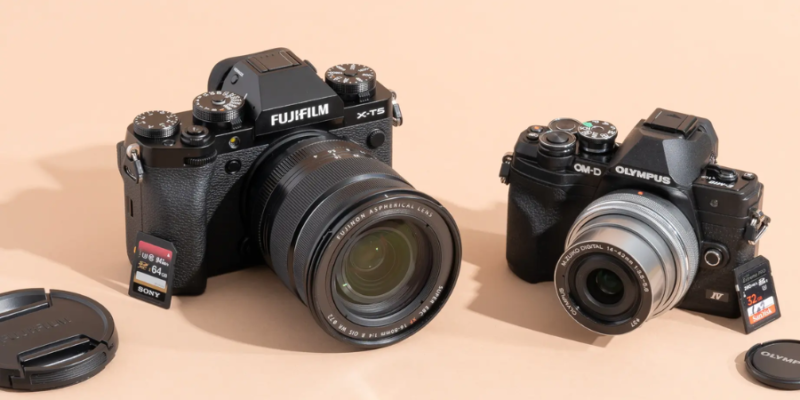
Introduction
Mirrorless cameras have revolutionized the world of photography, offering a lightweight, compact alternative to traditional DSLRs without compromising on image quality. Whether you’re a beginner looking to upgrade from a smartphone or a professional seeking cutting-edge technology, there’s a mirrorless camera out there for you. In this comprehensive guide, we’ll explore the best mirrorless cameras available today, covering everything from key features to the top models for every level of photographer.
What is a Mirrorless Camera?
A mirrorless camera, as the name suggests, lacks the mirror mechanism found in DSLRs. Instead of reflecting light through an optical viewfinder, a mirrorless camera captures light directly on the image sensor and displays the image on an electronic viewfinder or LCD screen. This design results in a more compact and lightweight body, making mirrorless cameras an excellent choice for photographers on the go.
Key Features to Look for in a Mirrorless Camera
Sensor Size and Type: Full-Frame vs. APS-C vs. Micro Four Thirds
The sensor size in a mirrorless camera significantly impacts image quality, depth of field, and low-light performance. Full-frame sensors offer the best image quality but come with a higher price tag. APS-C sensors strike a balance between quality and affordability, while Micro Four Thirds sensors are ideal for those seeking portability.
Autofocus Performance: Contrast vs. Phase Detection
Autofocus technology has come a long way in mirrorless cameras, with many models now offering hybrid systems that combine contrast and phase detection for fast, accurate focusing. Consider your photography needs—whether you shoot fast-moving subjects or require precise focusing for portraits—when choosing a camera.
Image Stabilization and Its Importance
In-body image stabilization (IBIS) is a feature that reduces camera shake, allowing for sharper images at slower shutter speeds. This is especially important for handheld shooting and low-light conditions.
Viewfinder Options: Electronic vs. Optical
Mirrorless cameras use electronic viewfinders (EVFs) instead of optical ones. While EVFs provide a real-time preview of exposure and settings, some photographers prefer the more natural look of an optical viewfinder. Try both to see which suits your style.
Video Capabilities: 4K, 6K, and Beyond
If video recording is a priority, look for mirrorless cameras that offer 4K or even 6K resolution. Additional features like high frame rates, slow-motion capabilities, and external microphone inputs can greatly enhance your video production.
Battery Life Considerations
Mirrorless cameras generally have shorter battery life compared to DSLRs due to the constant use of the electronic viewfinder and LCD screen. Consider carrying extra batteries or investing in a camera with extended battery life if you’re planning long shoots.
Best Mirrorless Cameras for Beginners
Sony Alpha a6100
The Sony Alpha a6100 is an excellent entry-level mirrorless camera, offering a fast autofocus system, 4K video, and user-friendly controls. It’s perfect for beginners who want to explore photography without feeling overwhelmed.
Canon EOS M50 Mark II
With its compact design, intuitive touchscreen, and impressive Dual Pixel autofocus, the Canon EOS M50 Mark II is ideal for vloggers and beginners alike. It also offers 4K video recording, making it a versatile choice.
Fujifilm X-T200
The Fujifilm X-T200 combines retro styling with modern features like a high-resolution electronic viewfinder, 4K video, and a user-friendly interface. It’s a great option for those new to mirrorless cameras who want to grow their skills.
Top Mirrorless Cameras for Enthusiasts
Sony Alpha a7 III
The Sony Alpha a7 III is a favorite among enthusiasts for its full-frame sensor, excellent low-light performance, and fast autofocus system. It’s a versatile camera that excels in both photography and videography.
Fujifilm X-T4
The Fujifilm X-T4 offers superb image quality, in-body stabilization, and a durable, weather-sealed body. It’s perfect for enthusiasts who demand high performance in a compact package.
Panasonic Lumix GH5
Known for its video capabilities, the Panasonic Lumix GH5 is a top choice for enthusiasts who are serious about videography. It offers 4K 60p video recording, excellent stabilization, and a range of video-focused features.
Professional-Grade Mirrorless Cameras
Sony Alpha a7R IV
With its 61-megapixel full-frame sensor, the Sony Alpha a7R IV delivers stunning image quality, making it ideal for professionals in landscape, portrait, and commercial photography. Its advanced autofocus system and high-resolution electronic viewfinder are just icing on the cake.
Canon EOS R5
The Canon EOS R5 is a powerhouse for professionals, offering 45 megapixels, 8K video recording, and fast Dual Pixel autofocus. It’s built for those who need top-tier performance across both photography and videography.
Nikon Z7 II
The Nikon Z7 II combines high resolution with excellent dynamic range, making it a favorite among professionals who demand the best in image quality. Its robust build and weather sealing ensure it can handle tough shooting conditions.
Mirrorless vs. DSLR: Which One Should You Choose?
Weight and Portability Comparison
Mirrorless cameras are generally lighter and more compact than DSLRs, making them easier to carry around. This is especially beneficial for travel and street photography.
Lens Options and Adaptability
While DSLRs have a wider selection of lenses due to their longer history, mirrorless cameras are catching up quickly. Many mirrorless systems also offer adapters, allowing you to use DSLR lenses with minimal impact on performance.
Battery Life and Handling Differences
DSLRs typically offer longer battery life due to their optical viewfinders. However, advancements in mirrorless technology are closing the gap, with newer models offering better battery efficiency and more ergonomic designs.
Best Mirrorless Lenses to Enhance Your Photography
Prime Lenses for Portraiture
Prime lenses, like the Sony 50mm f/1.8 or the Fujifilm 56mm f/1.2, are perfect for portrait photography, offering stunning bokeh and sharpness.
Zoom Lenses for Versatility
Zoom lenses, such as the Canon RF 24-70mm f/2.8 or the Sony 24-70mm f/2.8 GM, provide flexibility, allowing you to capture a wide range of subjects without changing lenses.
Specialty Lenses: Macro, Wide-Angle, and Telephoto Options
For specialized photography, consider lenses like the Nikon Z 105mm f/2.8 Macro, Sony 12-24mm f/4 G, or the Panasonic Lumix 100-400mm. These lenses allow you to explore macro, landscape, and wildlife photography.
Video Capabilities in Mirrorless Cameras
4K and 6K Recording Options
Many mirrorless cameras offer 4K video recording as a standard feature, with some high-end models pushing into 6K and beyond. Look for cameras with good heat management and unlimited recording times for the best video performance.
Slow-Motion and Frame Rate Considerations
For creative video work, consider cameras that offer high frame rates, such as 120fps at 1080p. This allows you to capture smooth slow-motion footage, adding a cinematic touch to your videos.
External Microphone and Headphone Ports
To achieve professional-grade audio, choose a mirrorless camera with external microphone and headphone ports. This allows you to monitor and adjust audio levels during recording, ensuring clear and crisp sound.
Durability and Weather Sealing in Mirrorless Cameras
Build Quality Considerations
When investing in a mirrorless camera, it’s important to consider the build quality. Magnesium alloy bodies, like those found in the Fujifilm X-T4 or Nikon Z7 II, offer excellent durability.
Weather-Sealed Models for Outdoor Photography
If you often shoot in challenging environments, a weather-sealed camera is essential. Models like the Sony Alpha a7R IV and Panasonic Lumix GH5 are designed to withstand rain, dust, and extreme temperatures.
Maintenance Tips for Longevity
To keep your mirrorless camera in top condition, regularly clean the sensor, lenses, and body. Also, ensure firmware is up to date and store your camera in a dry, cool place when not in use.
How to Choose the Right Mirrorless Camera for You
Assessing Your Photography Needs
Identify the types of photography you are most interested in—landscapes, portraits, sports, etc.—to narrow down your camera choices. Different models cater to different needs.
Budgeting for Camera and Lenses
Consider your budget not just for the camera body, but also for lenses, memory cards, and other accessories. Often, lenses can cost as much as the camera itself.
Future-Proofing Your Investment
Choose a camera that can grow with you. Look for systems with a wide range of lenses and accessories, and consider models with firmware updates that add new features over time.
Where to Buy Mirrorless Cameras
Trusted Online Retailers
Websites like B&H Photo, Adorama, and Amazon are reliable places to buy mirrorless cameras, offering competitive prices and excellent customer service.
In-Store Buying Experience
If you prefer to handle a camera before purchasing, visit a local camera store. In-store purchases allow you to test different models and receive personalized advice from experts.
Finding the Best Deals and Discounts
To get the best value, look for seasonal sales, refurbished models, and bundle deals that include lenses or accessories. Black Friday and Cyber Monday are particularly good times to find discounts.
Best Mirrorless Cameras for Video Creators
Panasonic Lumix S1H
The Panasonic Lumix S1H is a dream for videographers, offering 6K video recording, V-Log/V-Gamut, and exceptional dynamic range. It’s designed for serious filmmakers.
Sony Alpha a7S III
Renowned for its low-light performance, the Sony Alpha a7S III offers 4K 120p recording, 10-bit 4:2:2 color, and outstanding autofocus. It’s ideal for those who demand the best video quality.
Canon EOS R6
The Canon EOS R6 combines excellent 4K video capabilities with advanced Dual Pixel autofocus, making it a versatile choice for both videography and photography.
Common Mistakes to Avoid When Using a Mirrorless Camera
Ignoring Firmware Updates
Manufacturers regularly release firmware updates that improve camera performance and add new features. Don’t overlook these—updating your firmware can greatly enhance your camera’s capabilities.
Overlooking Lens Compatibility
Not all lenses are compatible with every mirrorless camera. Ensure that any lenses you purchase are compatible with your camera’s mount and sensor size.
Misunderstanding Autofocus Settings
Mirrorless cameras offer advanced autofocus options, including face and eye detection. Take the time to learn how to use these settings to improve your focus accuracy.
Conclusion
Choosing the best mirrorless camera depends on your specific needs, whether you’re a beginner, enthusiast, or professional. From the compact and affordable Canon EOS M50 Mark II to the professional-grade Sony Alpha a7R IV, there’s a mirrorless camera for every photographer. By considering factors like sensor size, autofocus performance, and video capabilities, you can find the perfect camera to elevate your photography or videography skills.
FAQs
- How does a mirrorless camera differ from a DSLR?
Mirrorless cameras lack the mirror mechanism of DSLRs, resulting in a more compact body and the use of electronic viewfinders instead of optical ones.
- Are mirrorless cameras good for professional photography?
Yes, many professional photographers use mirrorless cameras due to their advanced features, high image quality, and portability.
- What is the best lens for a mirrorless camera?
The best lens depends on your photography style. For portraits, a prime lens like a 50mm f/1.8 is ideal, while a 24-70mm f/2.8 zoom lens offers versatility.
- Do mirrorless cameras have good battery life?
Battery life in mirrorless cameras is generally shorter than in DSLRs, but advancements in technology have improved it. Carrying extra batteries is recommended for longer shoots.
- Is it worth switching from DSLR to mirrorless?
If you prioritize portability, advanced autofocus, and video capabilities, switching to a mirrorless camera can be a great decision.



Comments