
 By
By 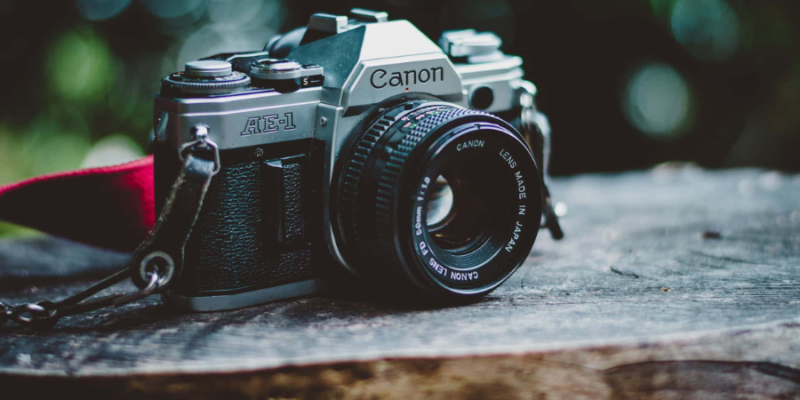
Introduction
In the ever-evolving world of photography, DSLR cameras continue to hold a significant place. Whether you’re a budding photographer or a seasoned professional, the reliability and versatility of DSLRs make them a top choice. But with so many options on the market, how do you choose the best one for your needs? In this guide, we’ll break down everything you need to know about DSLR cameras, from the basics to the best models available today.
What is a DSLR Camera?
A DSLR, or Digital Single-Lens Reflex camera, combines the mechanics of traditional film cameras with digital technology. At its core, a DSLR uses a mirror mechanism to direct light from the lens to an optical viewfinder. When you press the shutter button, the mirror flips up, and the light hits the camera’s image sensor, capturing your photo.
Key Features to Look for in a DSLR Camera
Megapixels: How Important Are They?
Megapixels often grab the headlines, but more isn’t always better. Higher megapixels allow for larger prints and more cropping options, but they also require more storage and processing power.
Sensor Size and Type: Full-Frame vs. Crop Sensor
The sensor is the heart of your DSLR. Full-frame sensors offer better image quality, especially in low light, but crop sensors can be more affordable and still provide excellent results.
Autofocus Systems and Their Impact
A good autofocus system can make the difference between a sharp shot and a missed opportunity. Look for DSLRs with advanced autofocus features, especially if you shoot fast-moving subjects.
ISO Range and Low-Light Performance
ISO measures your camera’s sensitivity to light. A wider ISO range means better performance in low light, but be mindful of noise at higher ISO settings.
Video Capabilities in Modern DSLRs
Many DSLRs now offer 4K video recording, making them versatile tools for both photography and videography. Consider frame rates and manual control options if video is a priority.
Durability and Build Quality
A well-built DSLR can withstand tough conditions, making it ideal for outdoor and adventure photography. Weather-sealed bodies and robust materials are key factors.
Lens Compatibility and Availability
The ability to use a wide range of lenses is one of the biggest advantages of a DSLR. Consider the lens ecosystem when choosing a brand.
Top DSLR Cameras for Beginners
Canon EOS Rebel T7
A budget-friendly option that delivers solid image quality and user-friendly controls, making it perfect for those new to DSLR photography.
Nikon D3500
Renowned for its excellent battery life and ergonomic design, the D3500 is an excellent entry point into the world of DSLRs.
Pentax K-70
With its weather-sealed body and in-body stabilization, the K-70 is a great choice for beginners looking to explore outdoor photography.
Best DSLR Cameras for Enthusiasts
Canon EOS 90D
A versatile camera that excels in both photography and videography, the EOS 90D offers a high-resolution sensor and fast autofocus system.
Nikon D7500
Balancing performance and price, the D7500 is ideal for photographers who want a bit more control and flexibility without breaking the bank.
Pentax KP
Known for its compact size and unique design, the KP offers great image quality and customization options for the more serious photographer.
Professional-Grade DSLR Cameras
Canon EOS-1D X Mark III
The flagship model for Canon, this DSLR is built for speed, with incredible autofocus and burst shooting capabilities, making it ideal for sports and wildlife photography.
Nikon D850
With its 45.7-megapixel sensor, the D850 is a powerhouse for professionals needing high-resolution images and excellent dynamic range.
Pentax K-1 Mark II
Offering superb image stabilization and rugged build quality, the K-1 Mark II is a favorite among landscape photographers.
DSLR vs. Mirrorless Cameras
Key Differences Between DSLR and Mirrorless Systems
The main difference lies in the absence of a mirror in mirrorless cameras, making them lighter and more compact. However, DSLRs offer better battery life and a more extensive lens selection.
Pros and Cons of Each
Mirrorless cameras are great for travel due to their portability, but DSLRs often provide better handling and more traditional controls. Your choice depends on your photography style.
Which One Suits Your Photography Needs?
If you value portability and cutting-edge technology, a mirrorless camera might be for you. If you prefer a more classic approach with a wide range of lenses, stick with a DSLR.
Best DSLR Lenses to Complement Your Camera
Standard Zoom Lenses
Versatile and ideal for everyday use, standard zoom lenses like the 24-70mm f/2.8 are a staple in any photographer’s kit.
Prime Lenses for Portrait Photography
Prime lenses with wide apertures, such as the 50mm f/1.8, are perfect for achieving beautiful background blur in portrait shots.
Telephoto Lenses for Wildlife and Sports
A 70-200mm lens is essential for capturing distant subjects, whether you’re shooting a soccer game or wildlife in the wild.
Wide-Angle Lenses for Landscape Photography
For stunning landscapes, a wide-angle lens like the 16-35mm is your go-to, allowing you to capture expansive scenes with ease.
Accessories to Enhance Your DSLR Experience
Essential Accessories
Invest in a sturdy tripod, extra memory cards, and a reliable camera bag to protect and support your gear.
Advanced Accessories
External flashes, battery grips, and remote triggers can take your photography to the next level, giving you more control over lighting and stability.
Tips for Choosing the Right Accessories
Consider your specific needs and photography style when selecting accessories. Don’t buy everything at once; start with the basics and build your kit as you go.
Maintaining Your DSLR Camera
Cleaning and Care Tips
Regular cleaning of the lens and sensor is crucial to maintaining image quality. Use a blower and microfiber cloth to avoid scratches.
Software and Firmware Updates
Keep your camera’s software up to date to ensure optimal performance and access to new features.
Storing Your DSLR Properly
Store your camera in a cool, dry place when not in use. Consider a dehumidifier in humid climates to prevent moisture damage.
How to Choose the Right DSLR for You
Consider Your Photography Style and Needs
Are you into landscapes, portraits, or action shots? Your photography style will guide your choice of camera and lenses.
Budget Considerations
Set a realistic budget that includes both the camera and essential accessories. Remember, lenses often cost as much as, if not more than, the camera body.
Future-Proofing Your Investment
Think long-term. Choose a camera that can grow with you, offering room for expansion as your skills develop.
Where to Buy DSLR Cameras
Online vs. In-Store Purchases
Online stores often offer better prices, but in-store purchases allow you to try before you buy. Consider what’s more important to you.
Trusted Retailers and Websites
Stick to reputable retailers like B&H Photo, Adorama, and Amazon to avoid counterfeit products and ensure a good return policy.
Tips for Finding the Best Deals
Look for seasonal sales, bundle deals, and refurbished options to save money without compromising on quality.
Best DSLR Cameras for Video Recording
Canon EOS 5D Mark IV
Renowned for its full-frame sensor and excellent video capabilities, the 5D Mark IV is a favorite among videographers.
Nikon D780
Offering 4K UHD video and excellent low-light performance, the D780 is a versatile choice for both photographers and videographers.
Features That Make These Models Stand Out for Videography
Look for cameras with good autofocus during video recording, high frame rates, and the ability to record in 4K.
Common Mistakes to Avoid When Using a DSLR
Misunderstanding Exposure Settings
Learning the relationship between aperture, shutter speed, and ISO is key to mastering exposure and avoiding over- or under-exposed images.
Ignoring the Importance of Lenses
Your camera body is only part of the equation. High-quality lenses can make a significant difference in your images.
Over-Relying on Automatic Modes
While automatic modes can be convenient, switching to manual control allows you to fully harness your camera’s potential.
Conclusion
Choosing the best DSLR camera involves understanding your needs, budget, and photography style. Whether you’re a beginner, enthusiast, or professional, there’s a DSLR out there that’s perfect for you. Take your time, do your research, and don’t hesitate to invest in quality lenses and accessories—they’ll make all the difference in your photographic journey.
FAQs
- What makes a DSLR camera different from a mirrorless camera?
- The main difference lies in the presence of a mirror in DSLRs, which allows for an optical viewfinder, whereas mirrorless cameras rely on electronic viewfinders.
- Are DSLR cameras suitable for beginners?
- Yes, DSLRs are great for beginners due to their versatility, extensive lens options, and the ability to grow with the photographer’s skills.
- How often should I clean my DSLR camera?
- It’s recommended to clean your camera’s lens and sensor regularly, especially if you frequently change lenses or shoot in dusty environments.
- Can I use my old lenses with a new DSLR camera?
- In many cases, yes. However, compatibility depends on the camera’s lens mount, so it’s essential to check before purchasing.
- Is it worth investing in a DSLR in 2024?
- Absolutely! While mirrorless cameras are popular, DSLRs still offer excellent image quality, durability, and a vast selection of lenses.


Comments