
 By
By 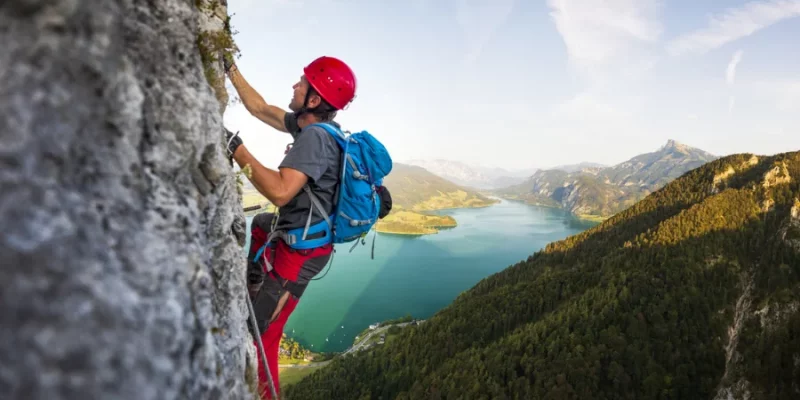
Mountain climbing is a thrilling adventure that combines physical challenge with breathtaking natural beauty. For beginners, it can seem intimidating, but with the right preparation and knowledge, you can start your climbing journey safely and successfully. This guide will walk you through everything you need to know to get started with mountain climbing.
What is Mountain Climbing?
Mountain climbing, often referred to as alpinism, is the sport of climbing mountains. It involves ascending rocky, icy, or snow-covered terrain to reach the summit of a mountain. Unlike hiking, which typically involves walking along trails, mountain climbing can require technical skills and specialized equipment.
The Different Types of Mountain Climbing
Mountain climbing encompasses several different disciplines, each with its own set of challenges and requirements:
- Traditional Climbing: Involves placing your own protective gear in the rock as you climb.
- Sport Climbing: Uses pre-placed bolts for protection and requires less gear management.
- Ice Climbing: Focuses on ascending frozen waterfalls or ice-covered rock faces using special equipment like crampons and ice axes.
- Alpine Climbing: Combines rock, ice, and snow climbing in high-altitude environments, often requiring a range of skills and equipment.
Essential Gear for Mountain Climbing
To ensure your safety and success in mountain climbing, it’s important to have the right gear. Here’s a list of essential equipment:
Basic Climbing Gear
- Climbing Shoes: Provide a snug fit and optimal grip on rocky surfaces.
- Harness: Keeps you secure and comfortable while climbing.
- Helmet: Protects your head from falling debris and impacts.
Technical Equipment
- Ropes: Essential for belaying and climbing safely. Ensure they are suitable for the type of climbing you plan to do.
- Carabiners: Used for connecting gear and securing ropes.
- Belay Device: Helps control the rope during climbing and rappelling.
Specialized Gear
- Crampons: Attach to your boots to provide traction on ice and snow.
- Ice Axe: Used for climbing ice and snow-covered terrain.
- Climbing Protection: Includes items like nuts, cams, and quickdraws for placing in rock cracks and securing yourself.
Basic Techniques for Mountain Climbing
Before heading out, it’s crucial to familiarize yourself with basic mountain climbing techniques. Here are some key skills every beginner should learn:
Rope Handling
- Belaying: The technique of managing the rope to protect the climber.
- Rappelling: Descending safely using a rope and a belay device.
Climbing Techniques
- Footwork: Proper foot placement can significantly improve your climbing efficiency and safety.
- Body Positioning: Maintain balance and use your body weight effectively to reduce strain.
Safety Practices
- Check Your Gear: Always inspect your equipment before use to ensure it’s in good condition.
- Know Your Limits: Start with easier climbs and gradually progress to more challenging routes as your skills improve.
- Weather Awareness: Be aware of weather conditions and avoid climbing in adverse weather.
Preparing for Your First Climb
Preparation is key to a successful and enjoyable mountain climbing experience. Here are some steps to take before your first climb:
Physical Fitness
- Cardiovascular Training: Improve your endurance with activities like running or cycling.
- Strength Training: Focus on building strength in your core, arms, and legs.
- Flexibility: Incorporate stretching to enhance your range of motion and reduce the risk of injury.
Skill Development
- Take a Course: Consider enrolling in a beginner’s climbing course to learn techniques and safety practices from experienced instructors.
- Practice: Spend time at indoor climbing gyms to build your skills before venturing outdoors.
Planning Your Climb
- Choose a Route: Start with a beginner-friendly route and gradually progress to more difficult climbs.
- Check Weather Conditions: Ensure the weather is suitable for climbing and be prepared for any changes.
- Prepare for Emergencies: Know the nearest rescue services and carry a first-aid kit.
Conclusion
Mountain climbing is a rewarding and exhilarating sport that offers a unique way to experience the great outdoors. By understanding the basics of mountain climbing, preparing with the right gear, and practicing essential techniques, you can embark on your climbing journey with confidence. Remember to prioritize safety and gradual progression, and most importantly, enjoy the adventure!
Whether you’re climbing for the first time or looking to hone your skills, this ultimate guide serves as your starting point for a safe and successful mountain climbing experience. Happy climbing!





Comments