
 By
By 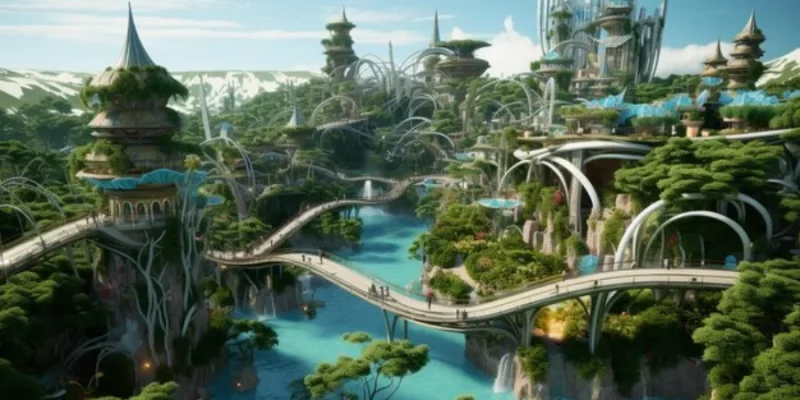
As environmental awareness grows, industries across the globe are adopting sustainable practices to reduce their carbon footprint. The amusement park industry is no exception. Eco-friendly amusement parks are leading the way in incorporating green initiatives that not only minimize environmental impact but also enhance the overall guest experience. In this article, we explore how these parks are making a difference and what visitors can expect from these green spaces.
The Rise of Eco-Friendly Amusement Parks
The concept of eco-friendly amusement parks is gaining traction as parks recognize the importance of sustainability. By integrating renewable energy, waste reduction, and water conservation practices, these parks are setting new standards in the industry.
Renewable Energy in Eco-Friendly Amusement Parks
One of the most significant steps taken by eco-friendly amusement parks is the adoption of renewable energy sources. From solar panels to wind turbines, parks are harnessing natural energy to power rides, lighting, and other essential functions.
- Solar Power: Many parks have installed solar panels to generate electricity, reducing reliance on fossil fuels. For instance, Disneyland Paris has implemented one of the largest solar canopy projects in Europe, covering nearly 17 hectares.
- Wind Energy: Some parks, particularly those in windy regions, have installed wind turbines to generate clean energy. This not only reduces carbon emissions but also contributes to the park’s energy independence.
Waste Reduction and Recycling in Eco-Friendly Amusement Parks
Minimizing waste is another critical aspect of eco-friendly amusement parks. By implementing comprehensive recycling programs and reducing single-use plastics, these parks are leading by example in waste management.
- Recycling Programs: Parks like Disney World have extensive recycling programs, sorting waste into different categories to ensure maximum recyclability. Visitors are encouraged to participate by using clearly marked recycling bins throughout the park.
- Composting: Organic waste, such as food scraps, is often composted on-site, reducing the amount of waste sent to landfills. This compost is sometimes used in park landscaping, creating a closed-loop system.
Water Conservation in Eco-Friendly Amusement Parks
Water conservation is a key focus area for eco-friendly amusement parks, especially in regions prone to drought. Parks are adopting innovative technologies to reduce water usage while maintaining lush, green environments.
Sustainable Landscaping in Eco-Friendly Amusement Parks
Parks are increasingly using drought-resistant plants and efficient irrigation systems to minimize water usage.
- Xeriscaping: This landscaping technique involves using native, drought-tolerant plants that require less water. It’s a common practice in parks located in arid regions, such as those in Southern California.
- Rainwater Harvesting: Some parks collect and store rainwater for irrigation and other non-potable uses. This helps reduce reliance on municipal water supplies and promotes sustainable water management.
Water-Efficient Rides and Attractions in Eco-Friendly Amusement Parks
Water rides and attractions are popular in many parks, but they can be water-intensive. Eco-friendly amusement parks are finding ways to reduce water usage without compromising on fun.
- Recycling Water: Many parks now recycle water used in rides, filtering and treating it for reuse. This significantly reduces overall water consumption.
- Low-Flow Systems: Parks are also installing low-flow water systems in restrooms and fountains, further conserving water.
Green Building Practices in Eco-Friendly Amusement Parks
In addition to operational changes, eco-friendly amusement parks are also focusing on sustainable construction practices. By using eco-friendly materials and energy-efficient designs, these parks are reducing their environmental impact from the ground up.
Sustainable Materials in Eco-Friendly Amusement Parks
From recycled materials to locally sourced products, parks are prioritizing sustainability in construction.
- Recycled Materials: Many parks use recycled steel, wood, and other materials in their construction projects, reducing the need for new resources.
- Local Sourcing: Sourcing materials locally not only supports the local economy but also reduces the carbon footprint associated with transportation.
Energy-Efficient Designs in Eco-Friendly Amusement Parks
Energy efficiency is a priority in the design of new buildings and attractions.
- LEED Certification: Some parks are pursuing LEED (Leadership in Energy and Environmental Design) certification for their buildings, ensuring they meet strict energy efficiency and sustainability standards.
- Natural Lighting and Ventilation: Parks are incorporating natural lighting and ventilation into their designs, reducing the need for artificial lighting and air conditioning.
The Future of Eco-Friendly Amusement Parks
The future of eco-friendly amusement parks looks promising, with many parks setting ambitious sustainability goals and continuously innovating. As technology advances, we can expect even more environmentally friendly practices to emerge, further transforming the industry.
Innovations on the Horizon for Eco-Friendly Amusement Parks
- Electric Vehicles: The use of electric vehicles for transportation within parks is likely to increase, reducing emissions and noise pollution.
- Carbon Offsetting: Some parks are exploring carbon offset programs, allowing them to neutralize their carbon footprint through investments in renewable energy and reforestation projects.
- Sustainable Food Options: From plant-based menus to locally sourced ingredients, food sustainability is becoming a focus in many parks.
Conclusion
Eco-friendly amusement parks are at the forefront of a greener future for the entertainment industry. By embracing sustainable practices, these parks are not only reducing their environmental impact but also educating and inspiring millions of visitors each year. Whether you’re a thrill-seeker or a nature lover, visiting one of these parks is a great way to enjoy family fun while supporting a more sustainable world.


Comments